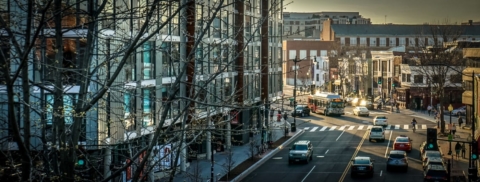
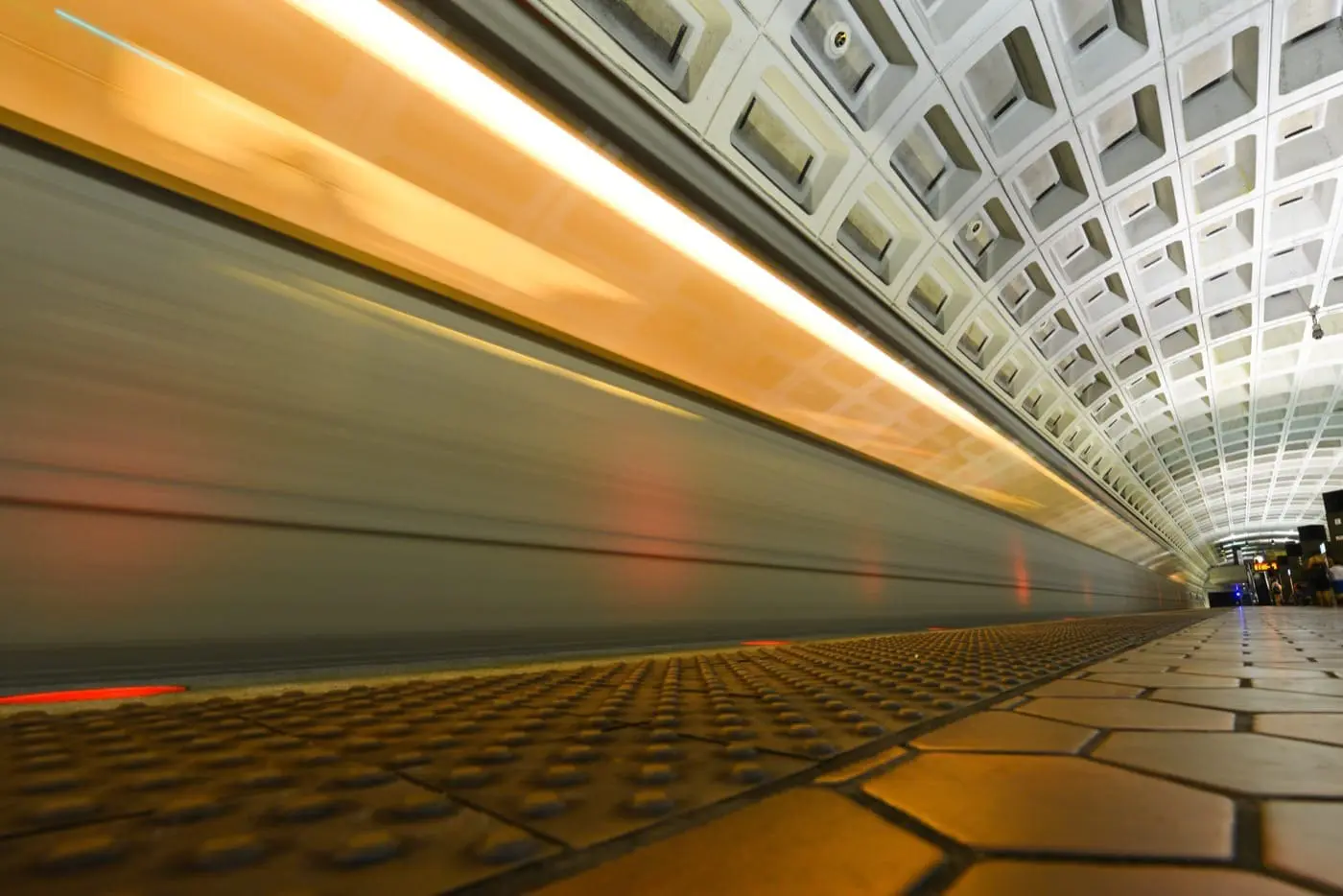
Washington DC remains one of the hottest commercial real estate markets in the world, but it is also among the most congested urban areas in the country. Over the past decade, significant investment and development downtown have resulted in increased employment, which in turn has added new drivers, bus commuters, and Metro passengers to the transportation network feeding the downtown core.
The result has been further development occurring on the western and eastern ends of downtown and a push for development in areas not previously considered part of downtown – e.g., NoMA (north of Massachusetts Avenue) area near Union Station and the Southwest waterfront. As the economy improves and new offices open in these areas, the pressure on the downtown transportation network will increase, creating problems in gaining access to the District (especially in east-west traffic flow), and exacerbating congestion that has been made worse over the past decade by the closures of streets near the White House. There is a need to coordinate, plan, and execute improvements to the transportation network in order to respond to the short-term and long-term needs of the area.
The FCC’s focus on improving access and reducing local congestion would address issues such as:
Downtown East-West Congestion
We would work to resolve the detrimental impact caused by the federal government’s closure of E Street near the White House. This would encompass possibly re-opening E street or mitigating its impact by making improvements to the transportation network that would improve traffic flow from surrounding jurisdictions into the District and facilitate traffic flow through downtown as well as creating other avenues to move commuters in and out of the District. In addition to moving automobiles, the FCC would evaluate and recommend ways to integrate alternate modes of transportation (Metrorail, Metrobus, streetcar, bikes) so that they work to relieve congestion rather than make the situation more congested and complicated.
Proposed Outcomes:
Metro stability and growth
The current Metro board and CEO/General Manager remain focused on the near-term issues related to system safety and board governance. However, the current economic environment combined with changes in Congress raise questions about the system’s finances, whether it’s the already-negotiated dedicated funding agreement between the jurisdictions and federal government that must be maintained or the unfunded portion that is needed to ensure that there is capacity to deal with anticipated growth over the coming decades. The Federal City Council should continue to work with regional business groups such as the Board of Trade and the Council of Governments to address the deferred maintenance and related short-term and long-term funding issues that exist.
Proposed Outcomes:
Long-term infrastructure planning including transportation
In the mid- 1980s, the Federal City Council completed a study looking at funding for infrastructure in the District of Columbia and used the study to press for adequate funding to ensure that the city was prepared for growth. It is time to update portions of that study to ensure that the transportation network is in position to deal with anticipated growth and development over the next two to three decades. The funding needed to maintain, upgrade, and strengthen the transportation network should be assessed.
Proposed Outcomes: